A small grave can accommodate a deeply personal memorial when the name, wording and decoration each have enough room. Start with the permitted dimensions, identify what matters most to your family, and build the layout around those choices. Trying to fit every memory onto the stone can leave the details you value hardest to see.
The aim is a memorial that visitors can read comfortably and recognise as a tribute to one particular person.
Check the permitted space before choosing a design
Give your memorial mason the cemetery name, section and grave number. A small burial grave, an ashes plot and a restricted lawn section can have different requirements. Some sections permit an upright headstone; others specify a flat or sloping tablet.
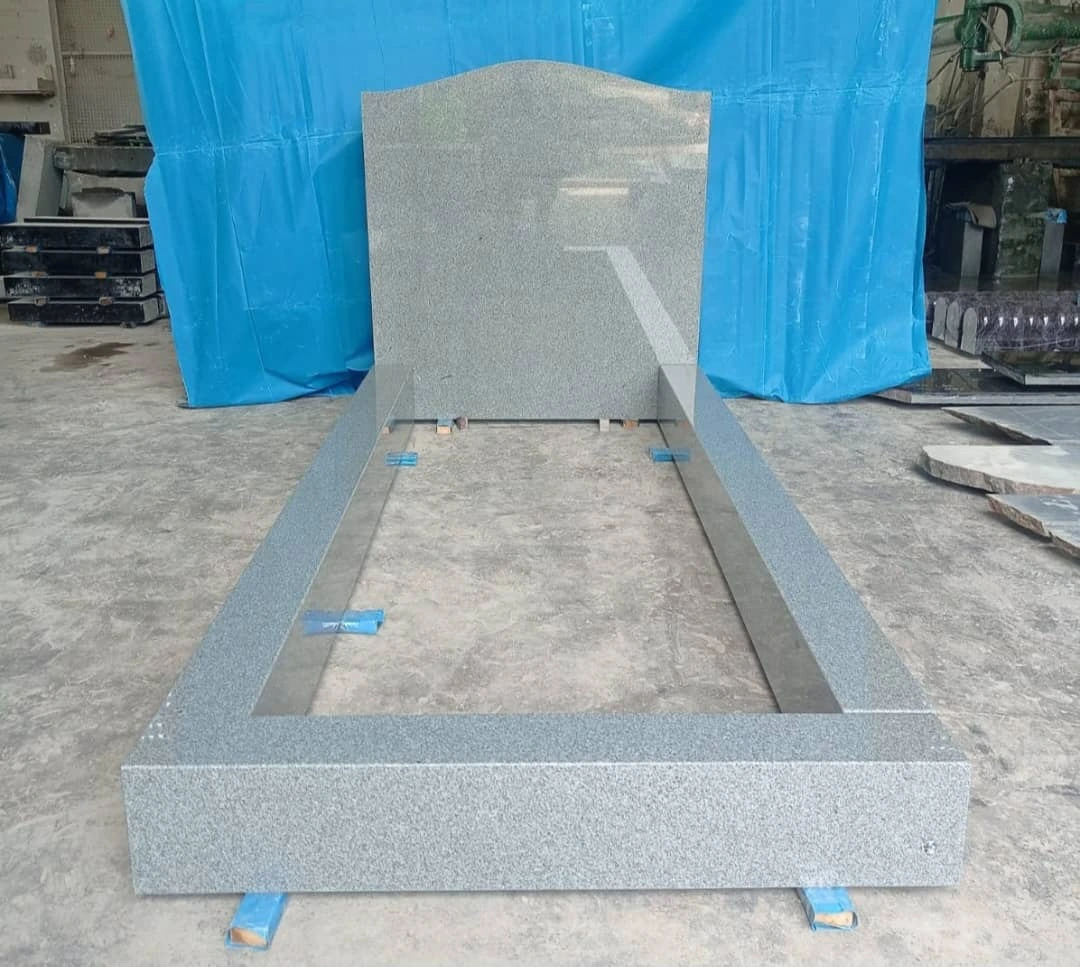
Confirm the allowed height, width and thickness, including how the base counts towards the overall dimensions. Ask about permitted materials, decoration and flower containers too. The visible grave area is not automatically available for memorial work.
Al Nour’s guidance on cemetery permissions and memorial installation explains the checks to make before proceeding. Knowing these limits early avoids designing a tribute that later needs substantial changes.
Decide which words deserve the most space
Write out the full proposed inscription before discussing lettering size. Include the person’s name, dates, relationships and any phrase you are considering. Then mark the words your family regards as essential.
Personal wording does not need to be lengthy. “Happiest in her garden” might express something more specific than several lines of conventional praise. A familiar family expression can also carry meaning without needing an explanation beneath it.
Review overlapping descriptions together. If two lines express the same thought, keeping the stronger one creates room for clearer lettering. Preserve the wording that matters emotionally, and ask the mason to try different line breaks before shortening a name or reducing the text size.
Give one personal feature a clear place
Choose a principal decorative detail, such as a meaningful flower, an appropriate faith symbol or a simple outline connected with a favourite pastime. Ask whether it can be reproduced clearly at the proposed size.
A small engraving needs enough space around it to remain recognisable. Several tiny motifs, a heavy border and elaborate lettering can compete with the name. A simpler outline may leave more usable inscription space than a deeply shaped profile of the same overall width.
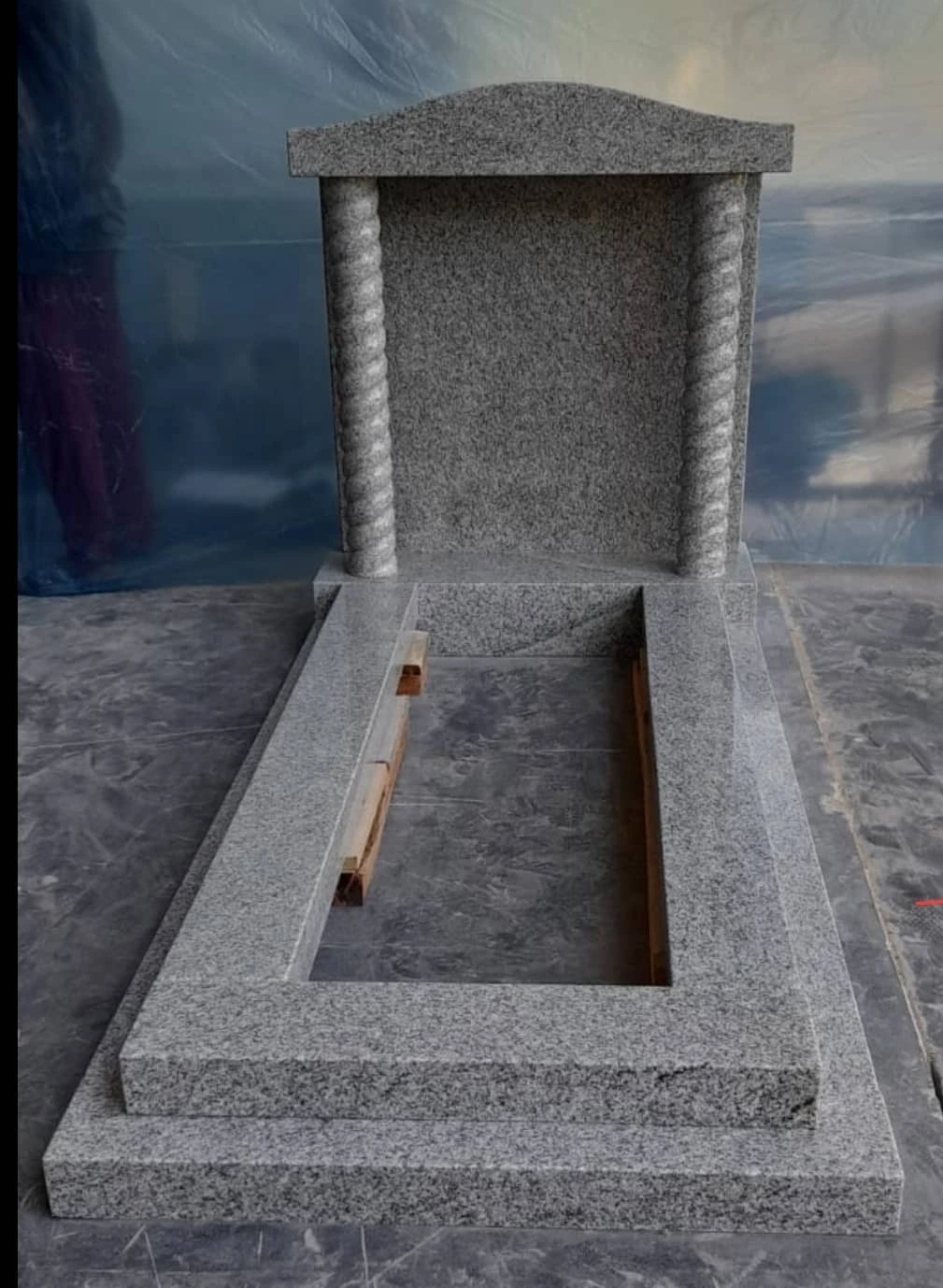
For inspiration, The Markland memorial shows a curved top, dove motifs and a separate remembrance line on its base. Its layout offers ideas to discuss; suitability for a smaller grave needs individual confirmation.
Choose stone and lettering together
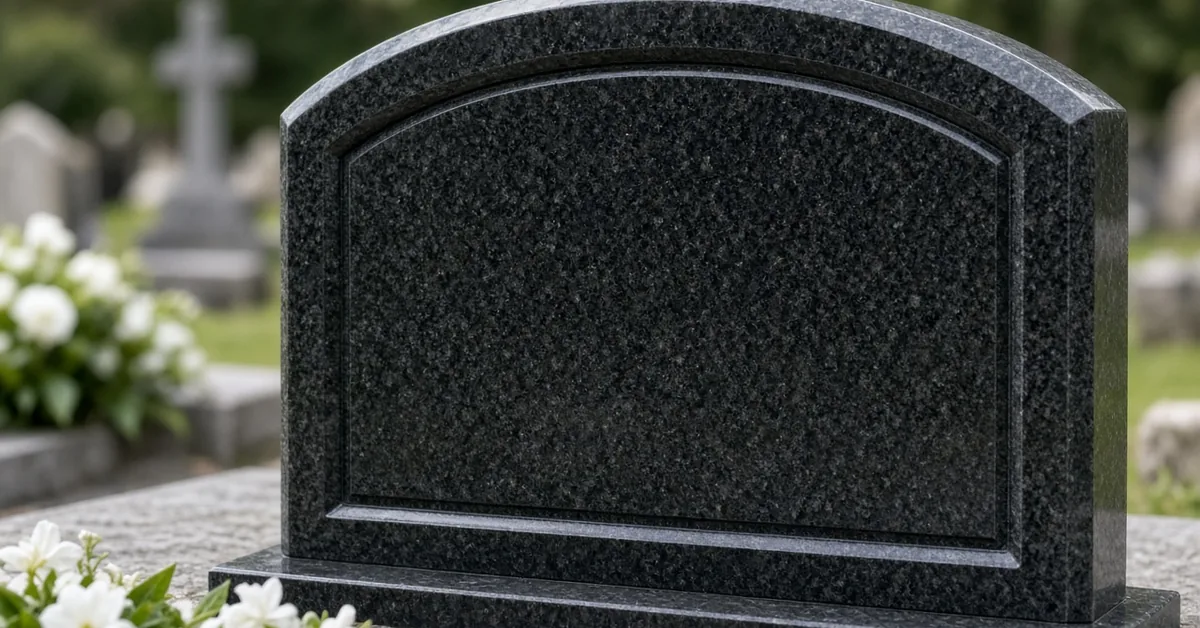
Compare the proposed lettering against the actual stone colour and finish. Grain and veining contribute to a memorial’s character, but ask whether the inscription will remain distinct against that particular surface.
Request examples of the intended lettering treatment on similar stone. Judge the name and dates from a comfortable visiting distance, rather than only examining an enlarged screen image. Fine decorative strokes can look attractive close up while being difficult to follow farther away.
Ask the mason to recommend letter sizes for the material, technique and wording. A universal character limit cannot account for all those differences.
Also ask what care the chosen lettering finish will need. On a compact memorial, loss of contrast can make an already small inscription less comfortable to read, so discuss future maintenance alongside appearance.
Make room for every language from the beginning
If the memorial will carry two languages, provide both versions before the layout is developed. Adding a second script after the first has filled the space often forces an unnecessary compromise.
Al Nour’s inscriptions and calligraphy service includes English, Arabic and multilingual wording. Discuss whether the languages should have equal prominence or whether a short passage will sit above the main inscription.
Judge each script by its readability and proportions. Matching font sizes alone will not necessarily create balance. Have a fluent reader check the wording and marks, and seek appropriate guidance on religious passages before approval.
Test the layout with a simple example
Imagine a proposed inscription containing a long opening dedication, the name and dates, several family relationships, a four-line verse and two floral designs. On a small stone, each addition reduces the room available for everything else.
A first revision could place the name prominently, keep the dates together, retain one meaningful relationship line and use a single flower above a short personal phrase. Leave clear margins around the inscription and visible gaps between these groups.
This is an illustrative layout, not a fixed formula. If the verse matters most, simplify the decoration instead. Ask for alternatives that protect your priority, so you can compare what changes without losing the tribute’s meaning.
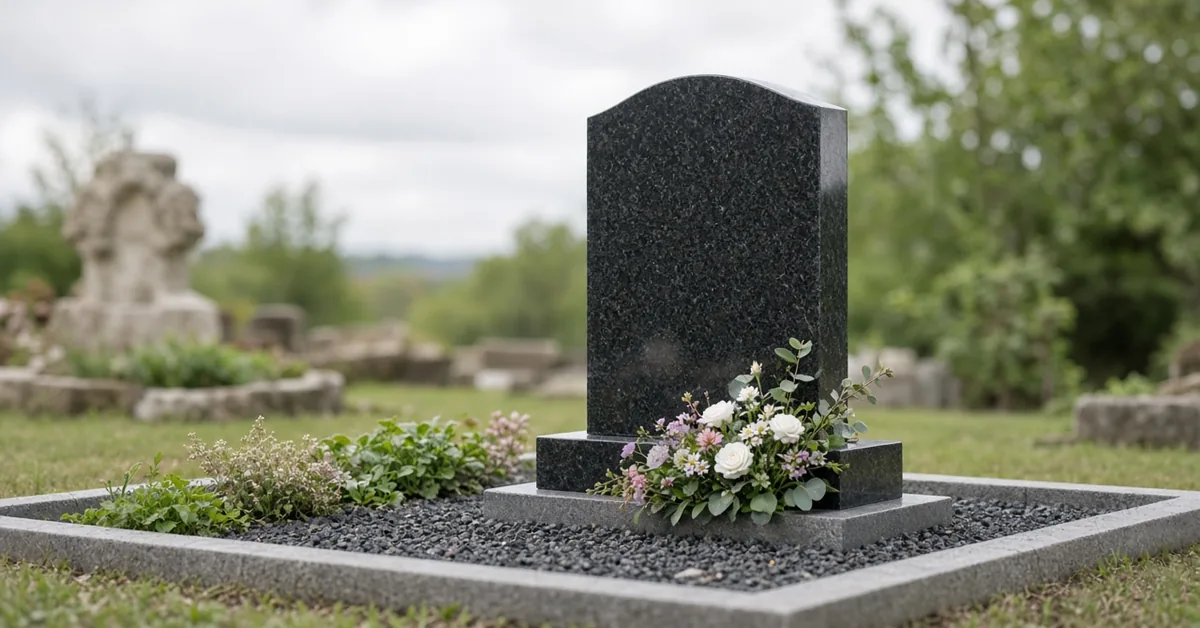
Include flowers in this visual check. Where a vase is permitted, consider how a typical arrangement would sit in front of the stone. Wording on a low base may be hidden by stems or foliage, so its position deserves attention before it becomes part of the approved layout.
Reserve future space and review the complete proof
Mention any possible second inscription at the outset. Ask the mason to show how a future name and dates could fit, even if those details are not yet known. A decorative flourish placed across that area now could restrict later choices.
Al Nour’s advice on adding an inscription to an existing headstone explains why available space and existing lettering matter.
Al Nour provides a digital design visual before manufacture. Check the complete composition, including the base and any permitted vase. Ask for dimensions and, if available, a print at actual size to assess spacing. Confirm every name, date and line break against one agreed family draft before approving it.
FAQs
Can a small memorial include a photograph?
Possibly. Ask the cemetery whether photographs are permitted, then ask the mason about a suitable method and size. Include the photograph in the initial layout because it needs space of its own.
What if the person had a very long name?
Ask to see alternative line breaks and lettering styles first. A name spread thoughtfully across two lines may be clearer than one compressed line. Agree any abbreviation with the family.
Can we include a nickname?
Yes, it can be proposed as part of the inscription, subject to approval. Decide whether it should appear alongside the full name or within a personal message, avoiding unnecessary duplication.
Can extra wording go on the back?
Ask whether the cemetery permits it and whether visitors could access and read that face. Rear lettering also needs to be included in the design discussion and quotation.
What should we bring to the first appointment?
Bring the grave details, any written cemetery requirements, a draft inscription, your budget and a few reference images. Identify the personal detail you most want the finished memorial to retain.