Start with the person you are remembering
You do not need to arrive with a finished design. Begin with a few things that feel meaningful: a favourite colour, a simple shape, a family tradition or words you want to include. Some families prefer a quiet, traditional memorial; others want a more individual outline or a carefully drawn detail. Neither approach needs to be elaborate to feel personal.
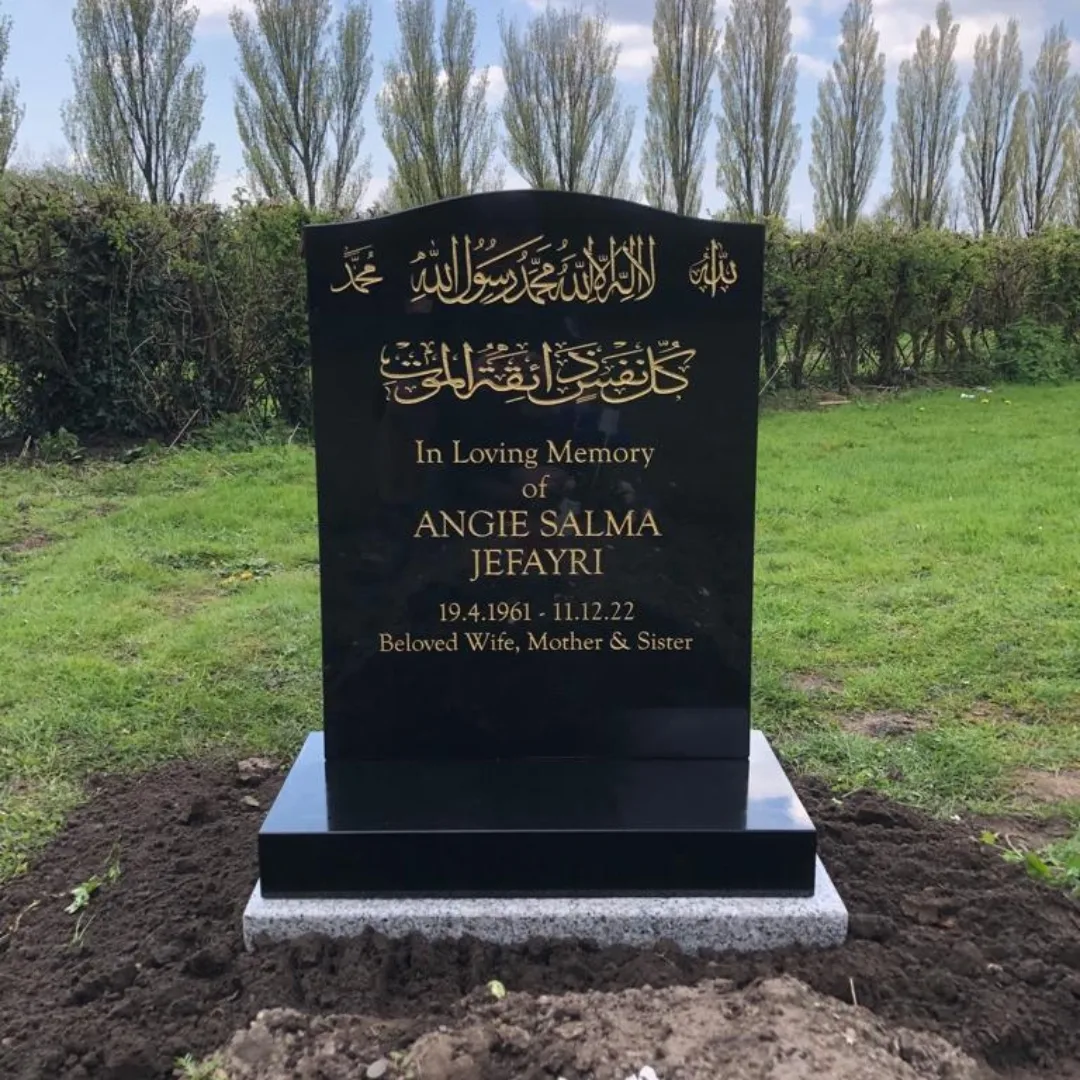
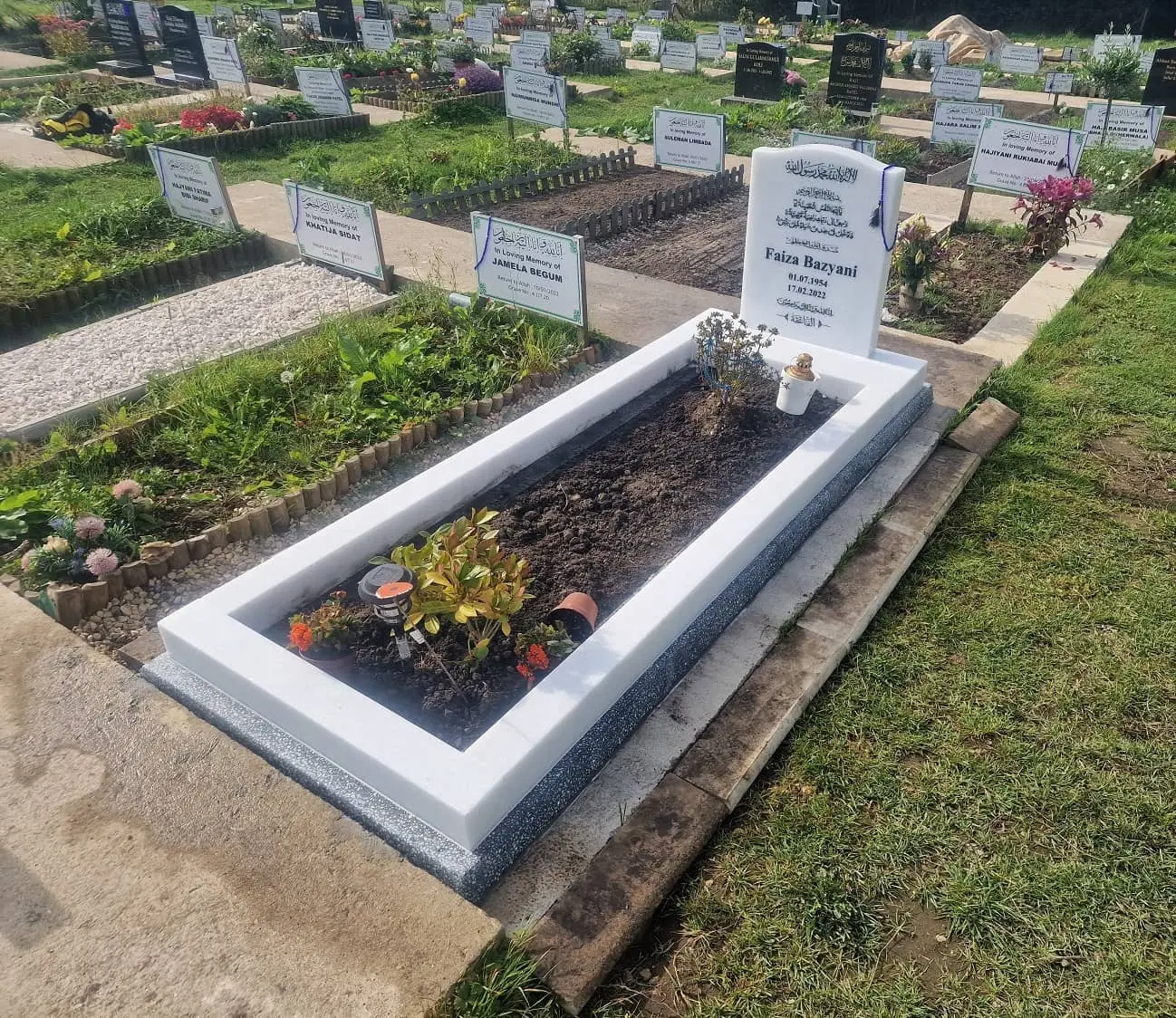
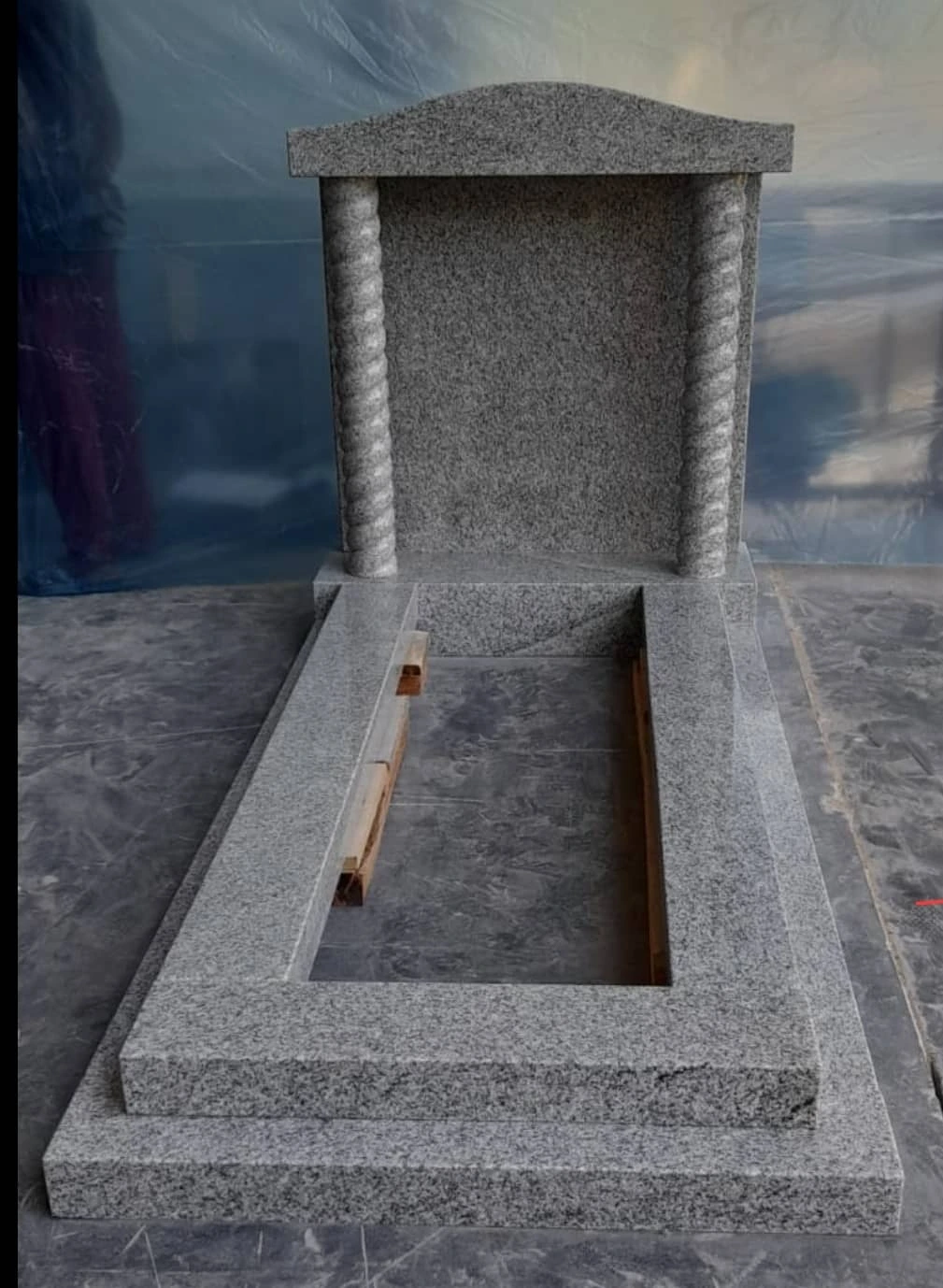
Looking through photographs can help you explain your preferences. Save the details you like rather than feeling you must choose one complete example. A headstone shape, a lettering layout and a surround might each prompt a different conversation.
Consider stone and finish together
When comparing granite, marble or another natural stone, ask to discuss the particular material, colour and finish available for your design. A material name alone does not show how the finished memorial will look. Veining, grain, polished areas and contrasting lettering all influence its character.
Photographs are a useful introduction, but light, weather and screens can change the appearance of a surface. Ask how a proposed stone will look with your chosen inscription, what ongoing care it needs and whether it is suitable for the cemetery. We will discuss the available options rather than assume every photographed finish can be used in every setting.
Give the whole memorial room to work
Think about the words alongside the shape. A longer inscription, two languages or provision for a future inscription can affect the space needed. The headstone, base, kerbs and any permitted flower space should be considered as one composition.
Share the cemetery name early. Its requirements may affect dimensions, material, finish and the type of surround. A photograph from another cemetery is an idea to explore, rather than confirmation that the same arrangement will be accepted.
A useful first-conversation checklist
Bring what you already have; it is fine if some decisions are still open. We can help you take the next step from there.
- The cemetery name and grave details, if known.
- A few photographs or notes showing your preferred style.
- Names, approximate wording and any language requirements.
- A comfortable budget and any questions about future care.